Summary of the Challenge
As we strive towards a more sustainable and equitable future, it's crucial to critically examine our modern lifestyles through the lens of historical precedent. By looking back at past successes and failures, we can question the underlying assumptions and logic that drive our current consumption patterns. This historical perspective allows us to avoid repeating past mistakes and build a better future for ourselves and society as a whole, ensuring that sustainable lifestyle models are developed with an understanding of their implications for everyday lived experiences.
The scale of change can seem unprecedented, unrealistic, and somehow unachievable - and this feeling is reflected in much of the public narrative around net-zero. The perceived worries and concerns about and lack of understanding of how environmental changes will impact everyday life has given rise to popular anti-environmental sentiment in recent years, which is fuelling regressive environmental policy.
But our recent past holds examples of significant shifts that faced similar contemporary concerns and criticisms, such as the transition from using coal to gas to heat our homes or the implementation of smokeless zones to improve urban air quality. We have lived through big changes before, and we will do so again.
The time is right to promote an alternative, more positive, more historically informed narrative around climate action that is grounded in everyday domestic life and to challenge the notion that life is better under the fossil fuel regime.
Our Response
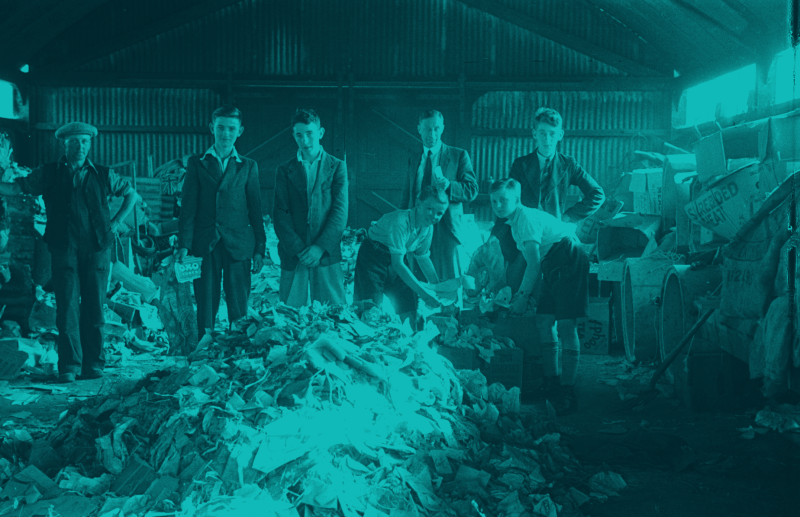
Through a series of book chapters this project examines how home heating, air quality, waste and transport have changed over the recent past. This research will combine an analysis of historic datasets and archival findings with original empirical insights to build a rich, multifaceted debate, centred around the question: was the past more sustainable? This will promote a more historically grounded way of thinking about sustainable futures which does not neglect the lessons of the past.
The book chapters will encompass practical, social, cultural, economic and justice related considerations and aims to assess: What has been lost and gained in terms of environmental benefit and social equity as our everyday domestic lives have changed over time? Who are the winners and losers and how has this changed over time? What do we want to retain as we transition to a low carbon society? What ways of life might we like to return to? And what must we make sure we never return to?
By asking these questions, the research will generate insights that can help contemporary audiences find equitable and effective climate solutions and challenge the notion that life was always better under the fossil fuel regime. We hope that the research will also show that, based on previous policy successes, the transition to low-carbon futures can be achieved and, if we listen to the lessons of the past, it can be delivered more equitably and improve quality of life for ordinary people.