The Challenge
In the UK, the food system represents around 11% of total greenhouse gas emissions.
There is an urgent need to develop technologies and processes that reduce the amount of carbon dioxide emitted by the food system from “farm to fork” and maximise the sequestration of carbon through regenerative agricultural practices.
South Yorkshire has strong agricultural and food production sectors that represent a significant proportion of the economic output of the region.
“The food system is important nationally and particularly relevant to South Yorkshire. We have a large number of companies involved in food production activities and it is a significant part of the South Yorkshire economy.”
Martin Howarth, Food Systems & Environmental Restoration Co-Lead
However, there are significant challenges. For example, many food manufacturing processes rely on fossil fuel inputs and equipment that has not been designed for maximum energy efficiency. A large proportion of food is also brought into the region, which has a higher carbon footprint compared to food grown locally. Intensive farming practices produce high yields but are contributing to poor soil health and continued species decline (State of Nature Report 2023).
At the same time, there is not equal access to healthy food. For instance, the Sheffield City Council’s food and Wellbeing Strategy of 2018 found that 25% of adults are not consuming at least 5 portions of fruit and vegetables a day with poor diets and associated health problems strongly correlated with areas of deprivation.
In short, there is both a challenge and an opportunity to change the way the food system operates for the benefit of society, the environment and the local economy.
Our Response
Our response looks at different parts of the food system in South Yorkshire; from how we grow crops in the ground to the energy requirements of food manufacturing processes; from the development of sustainable land management techniques to the delivery of urban horticulture projects in our local communities.
Our researchers want to understand the elements required to deliver a sustainable, local, values based food system that is resilient to climate change shocks and provides a nutritious, affordable diet for South Yorkshire residents.
We want to understand which land management techniques build healthy soils and promote biodiversity net-gain. We also want to better understand the capacity of our soils to sequester carbon and their potential to have a balancing effect on stubborn or unavoidable regional carbon emissions.
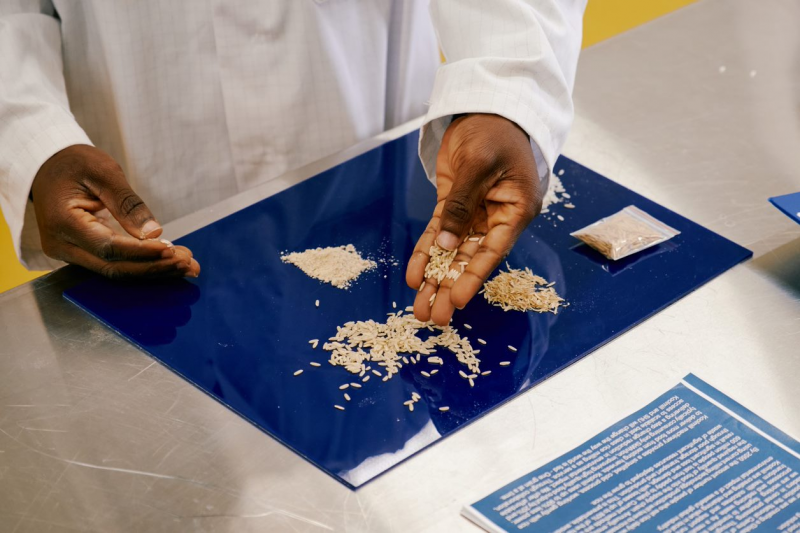
Researchers are also investigating how current food processing techniques and processes can be decarbonised through electrification whilst maintaining the quality of the end product. This research is conducted with commercial partners who can support the trial of technology as well as the scaling up into food processing operations.
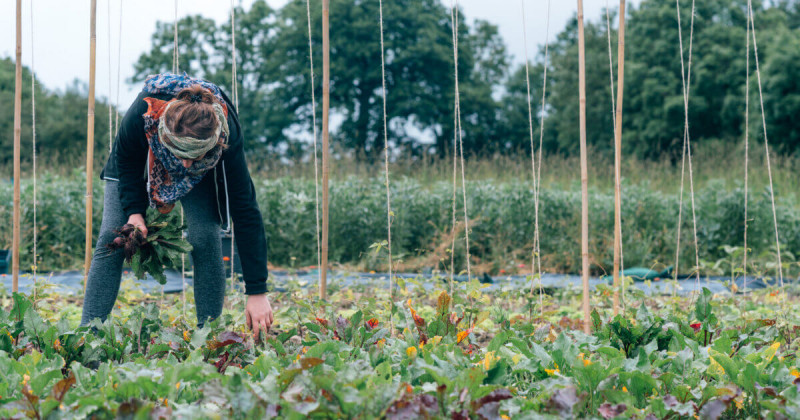
We are also exploring the potential of urban horticulture and Controlled Environment Agriculture to produce sustainable, nutritious and affordable food to the region whilst creating local green jobs.
The findings from our research projects, as well as the knowledge and expertise of our partners, will inform a regional roadmap that charts potential decarbonisation routes for South Yorkshire’s food system that also improve biodiversity, health, food security and the local economy.
Working Differently
Understanding the challenges of our food system requires consideration of the overall picture including the growing and manufacturing techniques needed to produce sustainable food within the region.
For instance, our Just Transition Work Package is looking at the skills and work implications of lgrowing more food locally in the region. Our Data Driven Solutions Work Package will help to model the potential carbon savings of potential interventions.
Our Policy and Governance Work Package is gathering academic evidence and presenting policy oriented briefings to support the Local Nature Recovery Strategy. Our researchers will work with our Supply Chain Innovation Work Package to identify opportunities to make improvements in how we get food ‘from farm to fork’
Working Together
This theme's research questions have been co-produced with partners to ensure that our projects are responding to the needs of businesses, practitioners and policy actors working in the region. Further detail on our projects and partnerships can be found in the Project Highlights.
We are working with our partners to shape and deliver the research, ensuring that our findings and recommendations draw on a range of expertise and are grounded in the regional context.